

Interior Trends for 2026: Transform Your Space
- Jan 6
- 3 min read
Updated: Feb 22
Natural Materials and Earthy Tones
One of the strongest movements in 2026 interior design is a return to nature. People want their homes to feel grounded and calming. Natural materials like wood, stone, and clay are making a big comeback. These materials bring texture and warmth. They create spaces that feel authentic and timeless.
Earthy tones such as terracotta, olive green, and warm beige dominate color palettes. These hues work well with natural light and complement organic shapes in furniture and decor. For example, a dining table crafted from reclaimed wood paired with linen chairs in muted greens can transform a room into a peaceful retreat.
Smart Homes with Seamless Technology
Technology continues to integrate into interiors. The focus in 2026 is on subtlety and ease of use. Smart home devices are no longer just gadgets. They blend into the design to enhance comfort and efficiency without drawing attention.
Expect to see voice-activated lighting systems that adjust based on the time of day. Smart thermostats learn your schedule. Hidden charging stations built into furniture keep clutter out of sight. For instance, a bedside table might include wireless charging pads and discreet USB ports.

Multifunctional Spaces for Flexible Living
With more people working from home or balancing multiple roles, interiors are adapting to support flexibility. Rooms are designed to serve several purposes without feeling crowded or chaotic.
Furniture that transforms easily is key. Think of a sofa that converts into a guest bed or a desk that folds away when not in use. Open floor plans are being rethought with movable partitions or sliding doors. This approach helps maximize space in smaller homes and keeps interiors feeling fresh.

Sustainable and Ethical Design Choices
Sustainability is no longer optional but a priority in 2026 interiors. Consumers want to know where their furniture and materials come from. They care about how these choices impact the environment.
Designers are using recycled or upcycled materials, low-VOC paints, and energy-efficient lighting. Vintage and handcrafted pieces are popular for their unique character and lower environmental footprint. For example, a coffee table made from reclaimed barn wood adds charm and reduces waste.
Biophilic Design to Connect with Nature
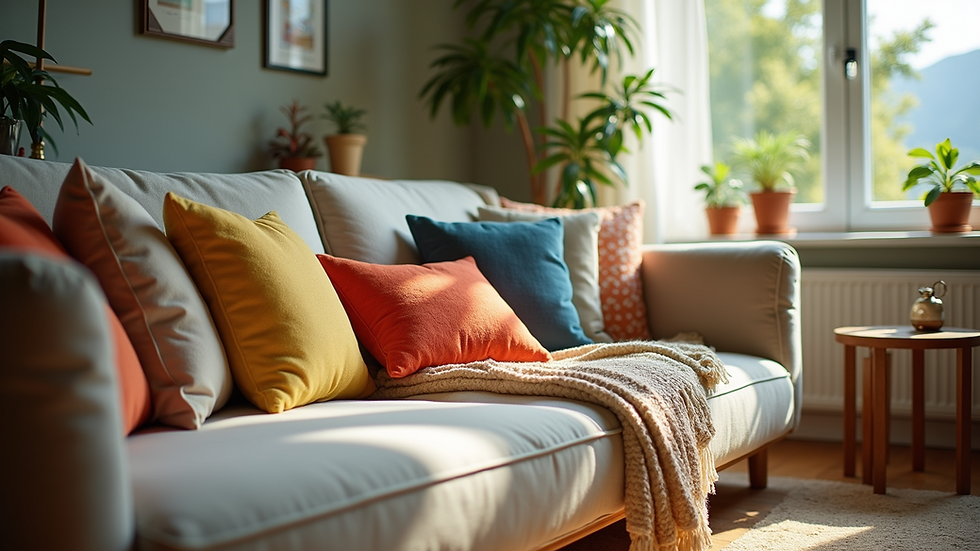
Biophilic design, which incorporates natural elements into interiors, is gaining momentum. This trend goes beyond plants. It includes natural light, water features, and organic shapes that mimic nature.
Large windows, skylights, and indoor gardens help bring the outdoors inside. Curved furniture and patterns inspired by leaves or waves create a soothing atmosphere. A living wall covered in greenery can serve as a stunning focal point in a living room or office.
Minimalism with Warmth
Minimalism remains popular but has evolved to feel less cold and more inviting. The 2026 version focuses on clean lines and uncluttered spaces while adding warmth through texture and color.
Soft textiles like wool rugs, velvet cushions, and woven throws add comfort. Warm lighting and natural materials prevent minimal spaces from feeling sterile. This balance creates interiors that are both stylish and livable.

Personalized Spaces Reflecting Individuality
Finally, personalization is key. People want their homes to tell their story and reflect their tastes. This means mixing styles, incorporating meaningful objects, and customizing furniture.
Custom-built shelving, unique art pieces, and handmade ceramics add character. Layering different textures and colors creates depth and interest. For example, pairing a mid-century modern chair with a bohemian rug and family heirlooms can make a space truly one of a kind.
Conclusion: Embrace the Future of Interior Design
The interior trends for 2026 focus on creating spaces that are comfortable, flexible, and connected to nature. By combining natural materials, smart technology, and sustainable choices, you can design a home that feels modern yet timeless. Whether you embrace multifunctional furniture or add a living wall, these ideas help you build a space that supports your lifestyle and values.
As we move forward, let’s embrace these trends. They offer a chance to create environments that truly reflect who we are.


Comments